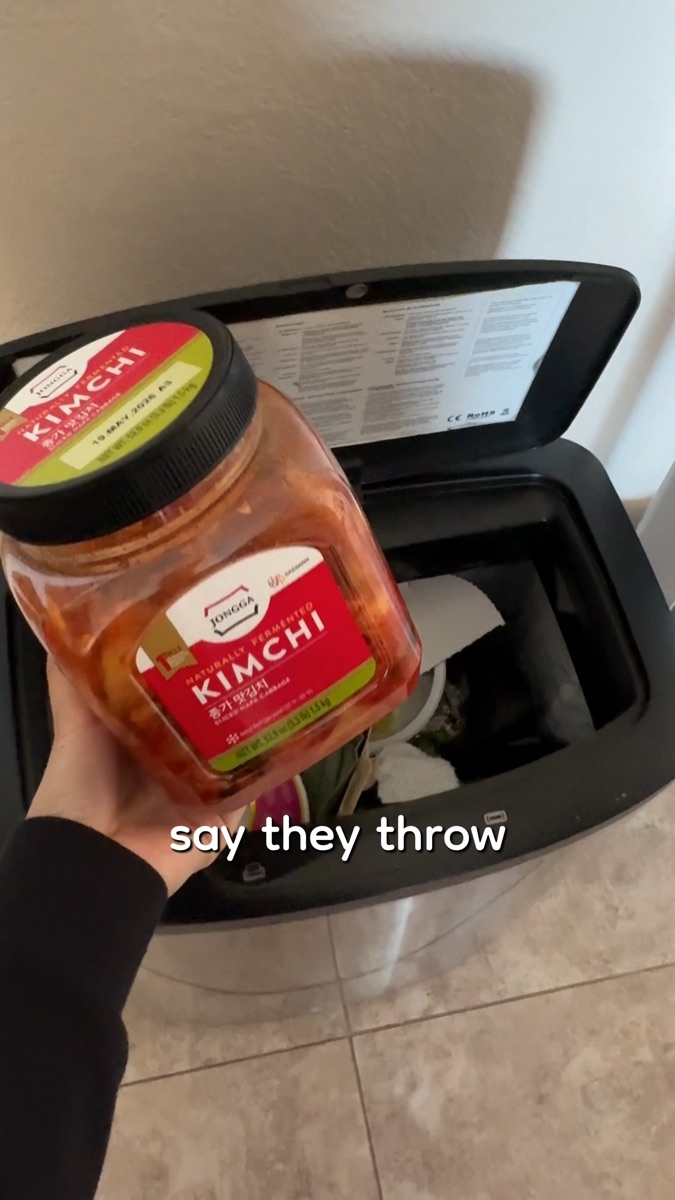
Is your kimchi too sour? Please, whatever you do, do not throw it away.
It genuinely breaks my heart when people tell me they tossed a whole jar of kimchi in the trash because it got too sour. That "too sour" kimchi is not spoiled; it is aged, fermented, and packed with more flavor than the fresh stuff. In Korea we do not throw it out. We cook with it. That is exactly why I started this kimchi series, and today's recipe is the most famous rescue mission of them all: kimchi jjigae (김치찌개).
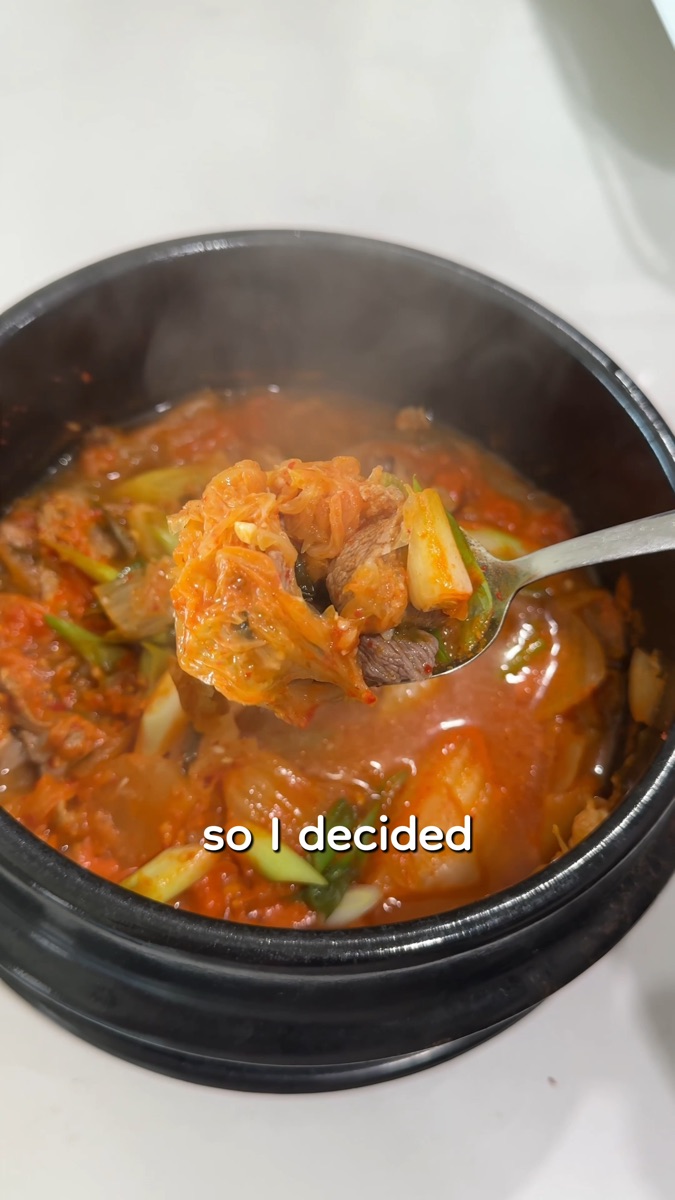
Kimchi jjigae is the cozy Korean stew that every Korean household makes on repeat. Bubbling red broth, tender pork, soft tangy kimchi, all served over a bowl of steamed white rice. And here is the magic: when you cook sour kimchi, it is not sour at all anymore. The heat transforms all that sharp tang into deep, savory, almost sweet richness. I honestly don't know how to explain the flavor because there is no other dish out there that tastes like this.
Why I Love This Recipe
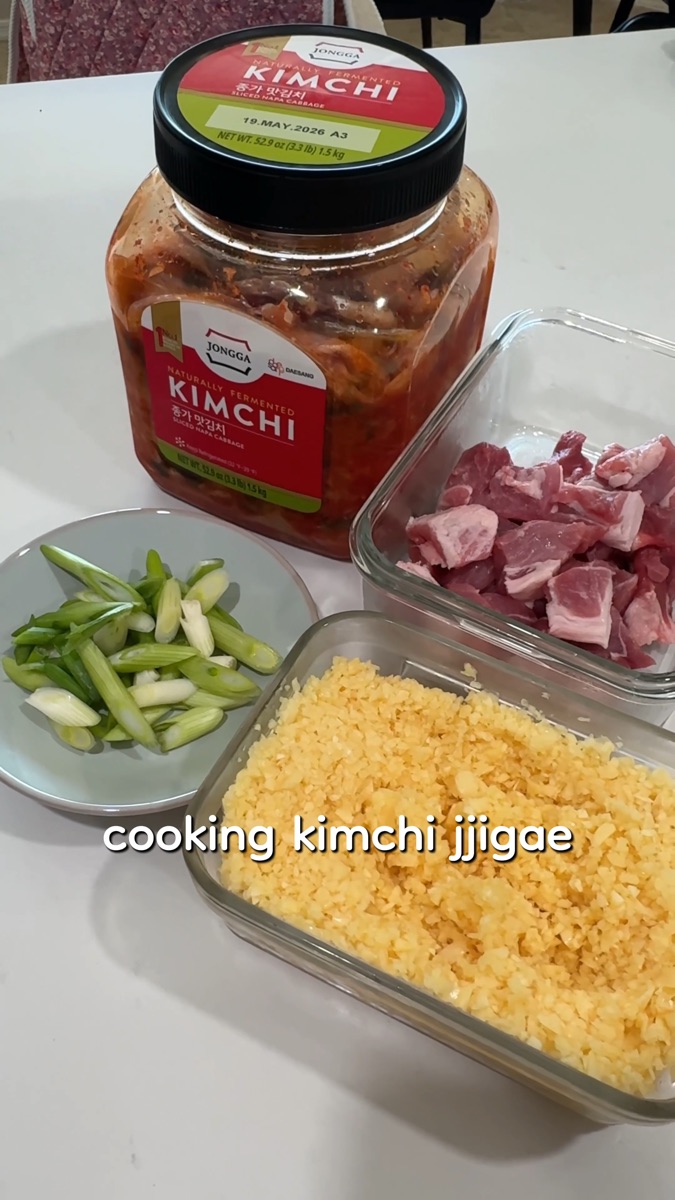
This is a four ingredient recipe. Four. Kimchi, pork, garlic, and green onion. That's it.
The older and more sour your kimchi is, the better this stew turns out. Fresh kimchi makes a flat, one-note jjigae, but well-fermented kimchi gives the broth that deep, complex tang that makes you go back for spoonful after spoonful. So the moment your kimchi crosses the line from "crunchy side dish" to "too sour to eat raw," it is at its absolute peak for this recipe.
The other secret weapon here is pork fat. You can use other proteins, but searing fatty pork first and then frying the kimchi in that rendered pork oil is what gives kimchi jjigae its signature richness. The kimchi soaks up all that flavor before the water even goes in.
The Ingredient Gallery 🛒
Servings
Tap to scale
- Sour Kimchi (신김치): 2 cups, roughly chopped (the more fermented, the better!)
- Pork (돼지고기): 0.5 lb, cut into bite-size cubes (pork shoulder or pork belly)
- Minced Garlic (다진 마늘): 1 tbsp
- Green Onion (대파): 2 stalks, sliced
- Kimchi Juice (김치 국물): 0.5 cup from the jar (the flavor bomb!)
- Water (물): 2 cups
The Ritual (Step-by-Step) 🥢
1. Sear the Pork
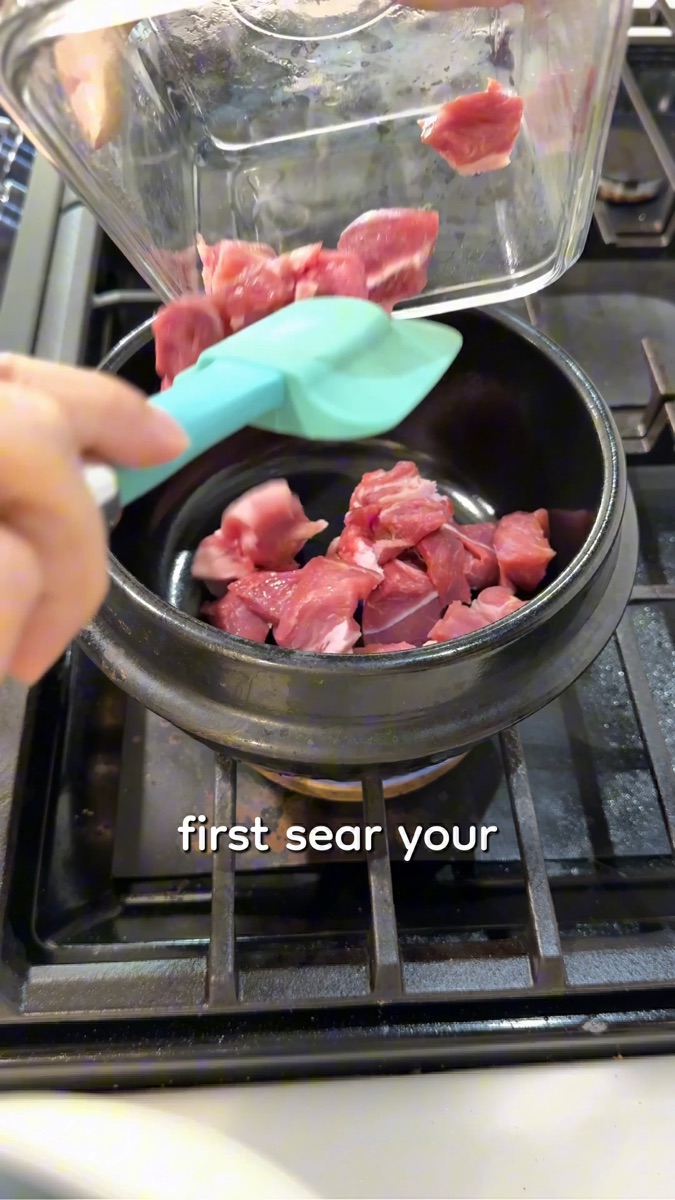
Add your pork cubes to a pot over medium heat and sear until the fat starts to render. You can use other proteins, but pork fat is the secret weapon here; it is the base flavor of the entire stew. No extra oil needed if your pork has good marbling.
2. Fry the Kimchi and Garlic
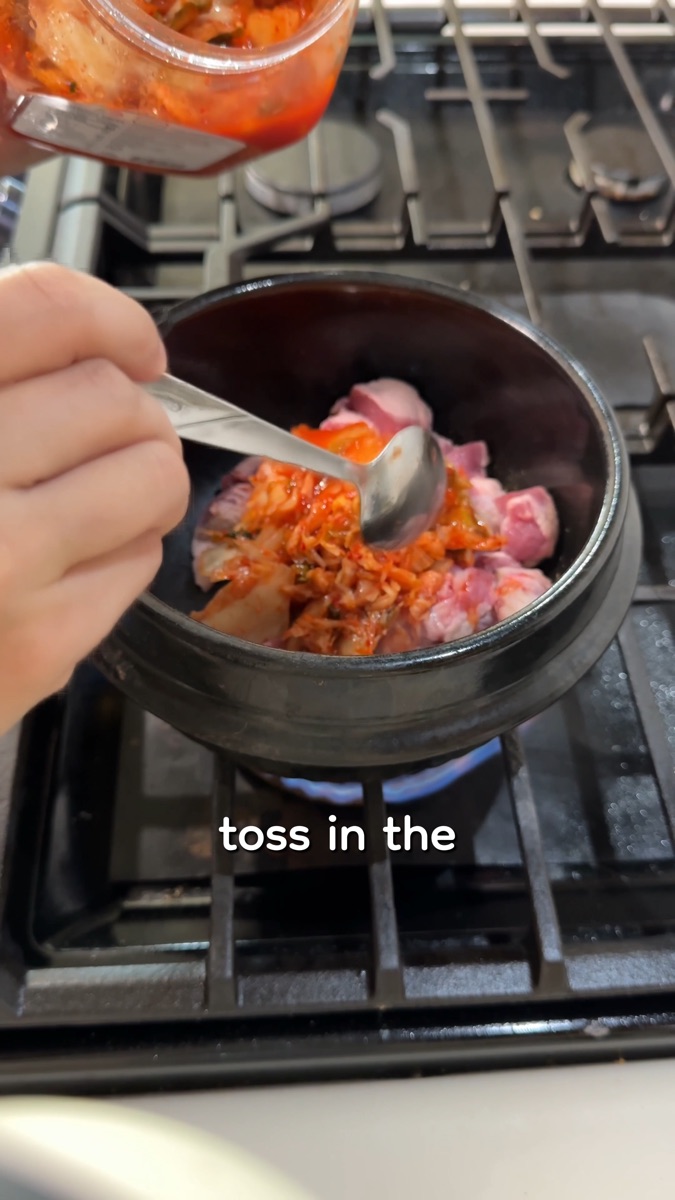
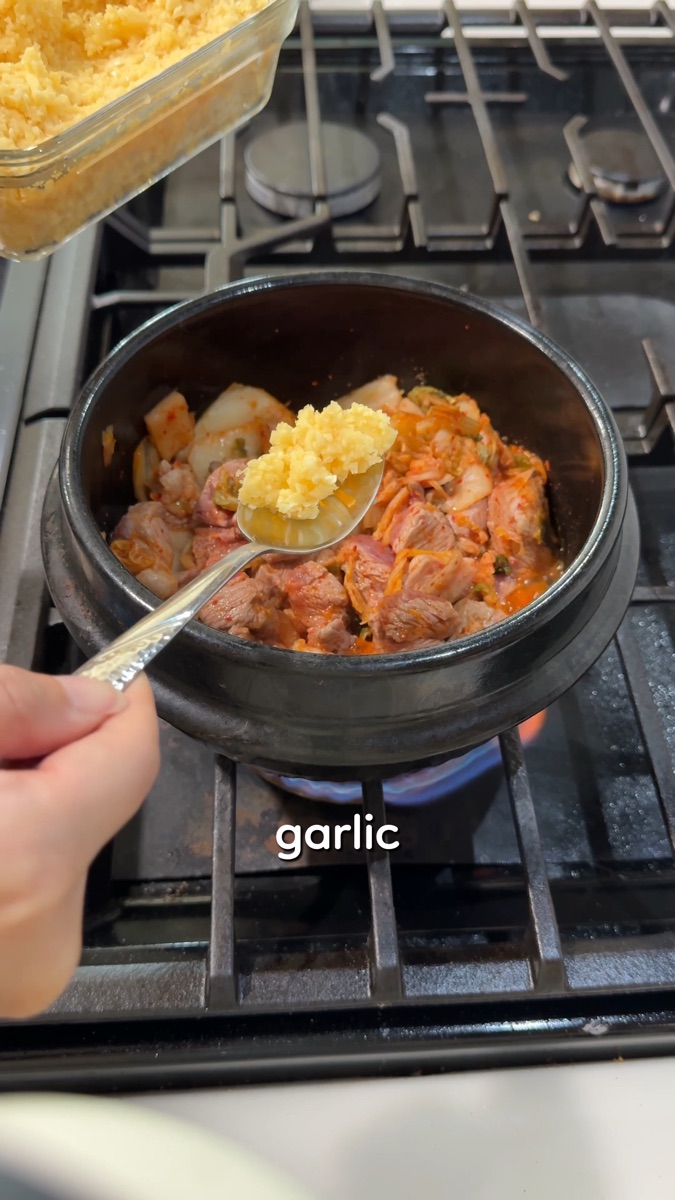
Toss in the kimchi and minced garlic, and lightly fry everything right in that pork oil. This step is where the magic happens: frying the kimchi mellows the sourness and wakes up all the deep fermented flavor.
3. Add Water and Boil
Pour in the water and bring it to a boil on medium low. Let it bubble away gently so the pork turns tender and the kimchi softens into the broth.
4. Pour in the Kimchi Juice
Now pour in some of that leftover kimchi juice from the jar. Do not skip this! That juice is concentrated kimchi flavor and it seasons the broth better than any salt could.
5. Top with Green Onion
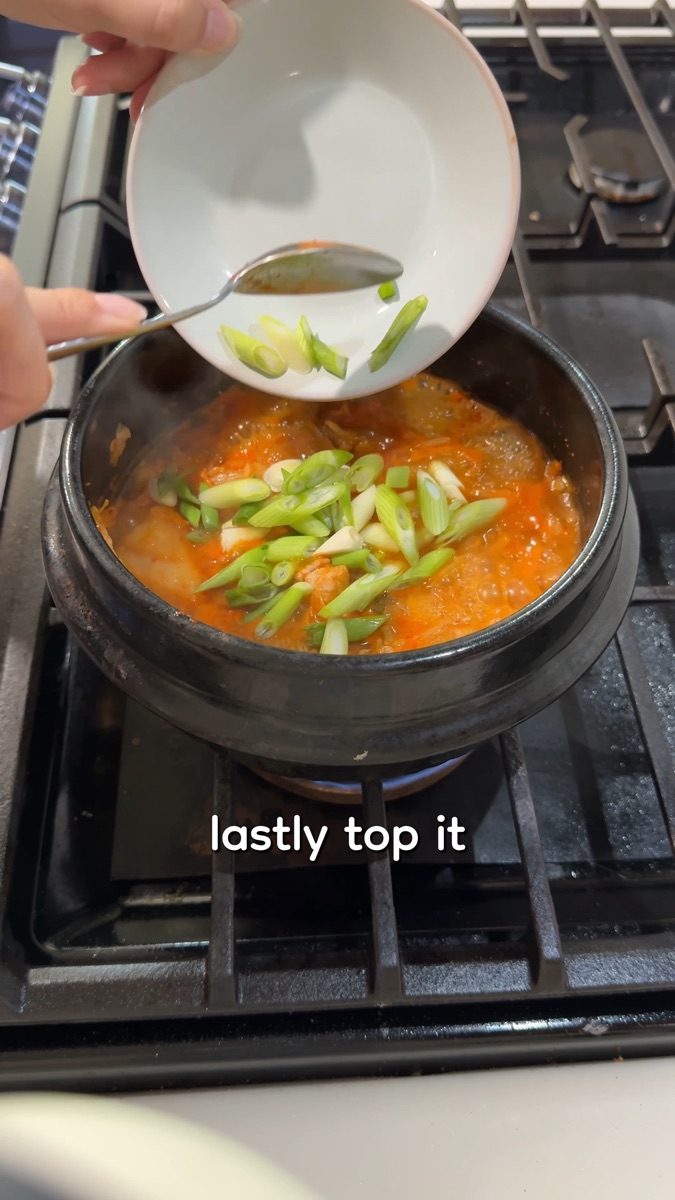
Lastly, top it with the sliced green onion and let it wilt into the stew for a minute. Done!
Tips & Notes
The sourer the kimchi, the better the jjigae. This cannot be overstated. If your kimchi is still fresh and crunchy, let it sit in the fridge for a few more weeks. Aged, sour kimchi is the whole point of this dish.
Pork cut matters: Pork shoulder gives you tender chunks with enough fat to flavor the broth. Pork belly makes it richer and more indulgent. Both work beautifully; just avoid super lean cuts like tenderloin, which turn dry and give you a thin broth.
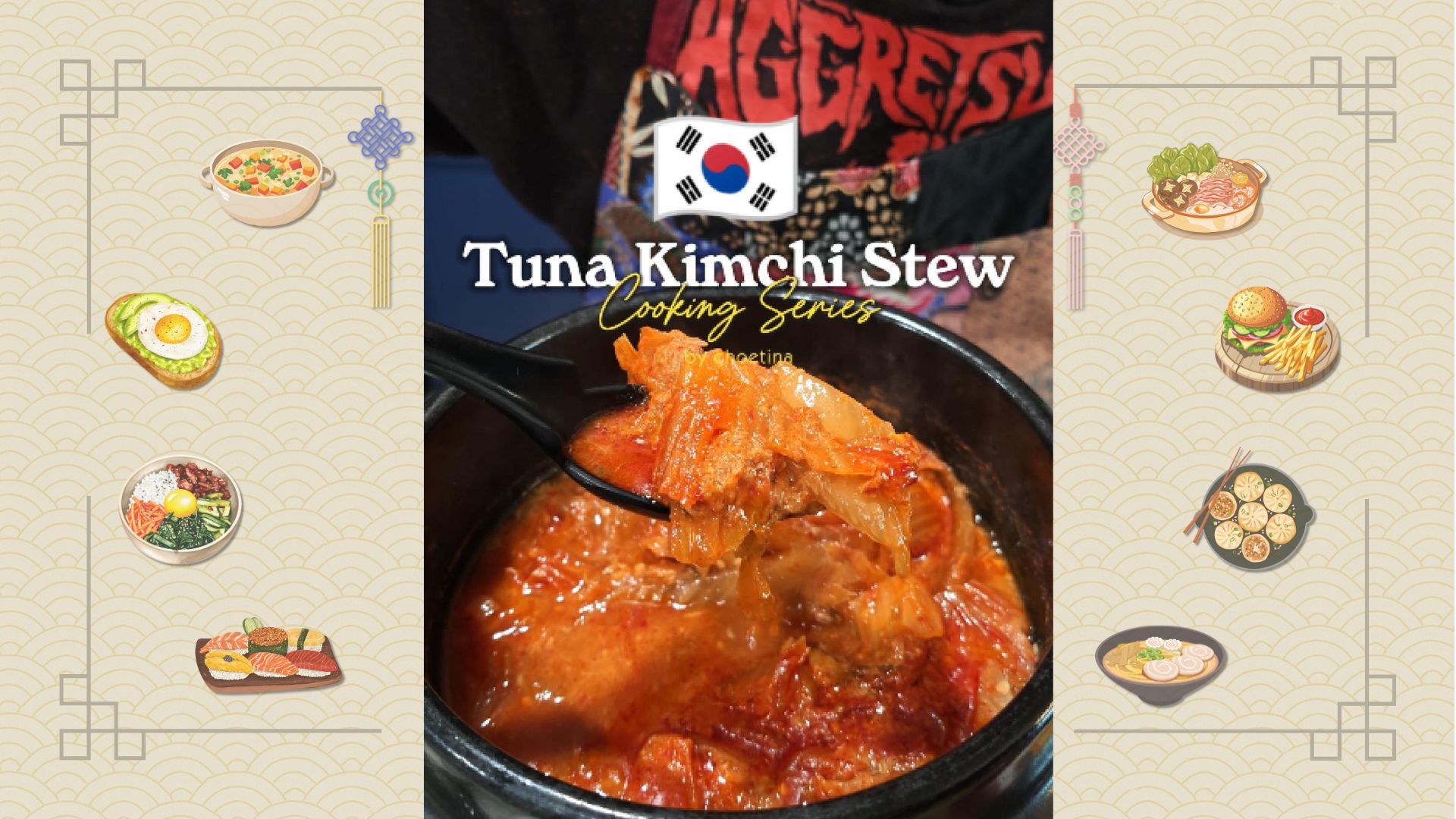
Other proteins: Canned tuna and Spam are both classic Korean substitutions. If you go that route, add a little neutral oil at the start since you won't have pork fat to fry the kimchi in.
Kimchi juice is liquid gold. Squeeze and pour whatever is left in the jar into the pot. It deepens the broth instantly. If your stew tastes flat, the answer is almost always more kimchi juice, not salt.
It gets better with time. If you eat this after about four hours, it tastes even better. The kimchi keeps softening and the flavors keep melding. So I actually recommend making it ahead and eating it a little later. Leftovers the next day? Even better.
Serving Suggestions
Kimchi jjigae is best paired with a bowl of steamed Korean white rice. The rice tames the heat and soaks up that red broth. Spoon the stew straight over your rice, or alternate bites the traditional way.
If you want to build a full Korean dinner around it, add a fried egg, a sheet of roasted seaweed (gim), and whatever banchan you have in the fridge. But honestly, this stew and a bowl of rice is a complete, deeply satisfying meal on its own.
The Experience 💭
The first spoonful is everything: tangy but not sour, rich from the pork fat, warming from the gentle heat. When you cook sour kimchi, the sourness completely transforms into something savory and deep. I truly cannot compare it to any other dish, because nothing else tastes like this.
So please, don't throw away your kimchi because it's sour. Always try to cook something with it. Your sourest jar of kimchi is not a failure; it is dinner waiting to happen.
잘 먹겠습니다!