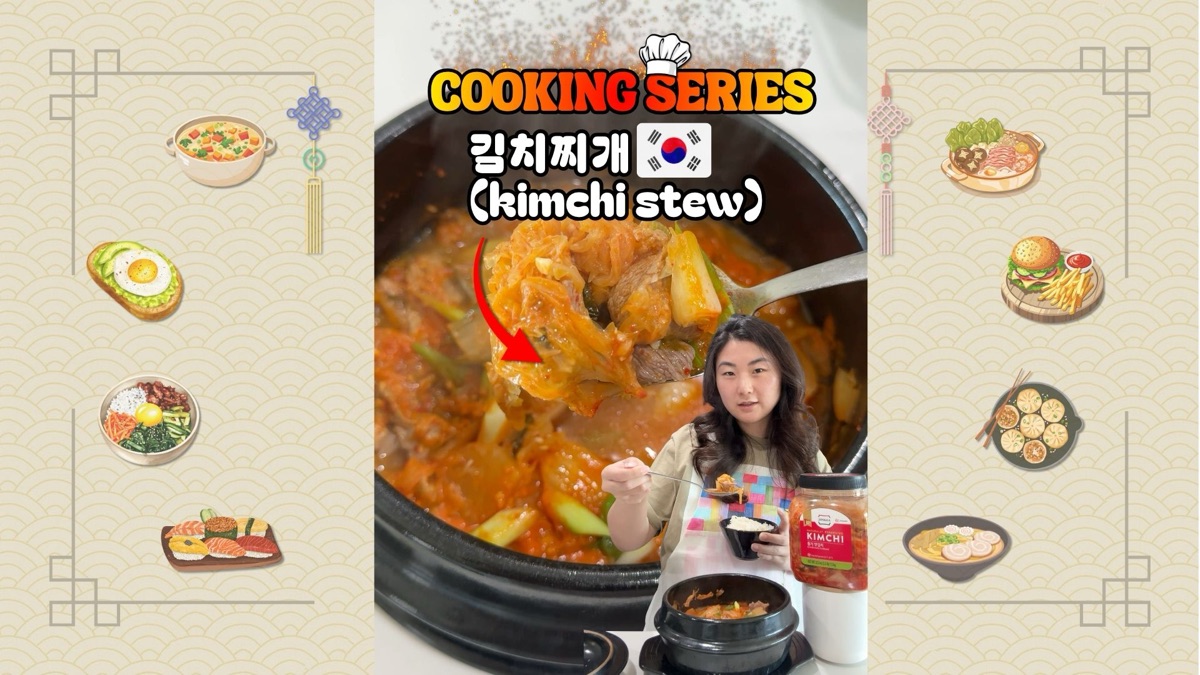
Looking for a quick, restaurant-quality meal that takes less than 15 minutes to prep? Today, I'm making a flavor-packed Korean Spicy Pork Bulgogi (매운돼지불고기) using one of my favorite Costco meat hacks.
There are some Costco finds that completely change your weeknight dinner game. For me, it's the pork shabu-shabu meat (pork belly). Because it is sliced so incredibly thin, it absorbs marinades instantly and cooks in no time. This is a recipe I come back to over and over because the payoff is absurdly high for the effort involved. When I need something satisfying and genuinely Korean-tasting after a long day, this is the first thing I reach for.
While many traditional bulgogi recipes involve longer marinating times and more prep work, this "Costco Hack" version is light, efficient, and brings an authentic restaurant-level meal to your home kitchen. The secret is the thinness of the meat: it's not too fatty, it stays incredibly juicy, and it catches all that glorious sauce in every fold. The caramelized edges you get in the pan are the same thing you taste at Korean BBQ restaurants, and they happen so fast with this cut that it almost feels like cheating.
I have made this for family dinners, meal prep weeks, and random Tuesday nights when I needed something that tasted like effort without actually requiring much of it. Every single time, it delivers.
Shop Ingredients 🛍️
Everything you need to make this recipe, all in one place. These are the exact brands I use and trust: links go to Weee!, my favorite Asian grocery delivery app. Links are affiliated, which means I earn a small commission at no extra cost to you. Thank you for the support!
The Ingredient Gallery 🛒
Servings
Tap to scale
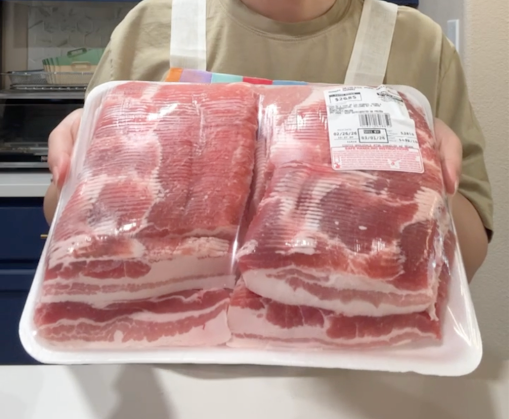
- The Star: 2 lbs Costco Pork Shabu-Shabu meat (Pork Belly)
- The Aromatics: 1 tbsp Minced Garlic (다진 마늘) and 1 sliced Onion
- The "Gold" Finish: Toasted Sesame Seeds and a drizzle of Sesame Oil
The Quick Bulgogi Sauce:
- Cooking Wine/Alcohol: 2 tbsp
- Soy Sauce (양조간장): 2 tbsp
- Toasted Sesame Oil (참기름): 2 tbsp
- Sweetener: 2 tbsp (I use Allulose for a cleaner sweetness)
- Gochujang (고추장): 1 tbsp
- Optional Kick: Red pepper or Gochugaru (고춧가루) if you want it extra spicy!
The Ritual (Step-by-Step) 🥢
1. Prep the Meat
Separate the thin slices of meat. Since the Costco cuts are quite long, you can give them a quick chop into bite-sized strips for a better mouthfeel, but this is totally optional. I often just cook them as is!
One thing I do here is lay them out flat on a cutting board before marinating rather than just dumping them in a bowl straight from the package. When the slices are separated individually and not clumped together, the marinade reaches every surface and you get much more even flavor throughout. Takes an extra thirty seconds but it makes a difference.
2. Whisk and Coat
In a large bowl, combine your garlic, cooking wine, soy sauce, sesame oil, sweetener, and Gochujang. Toss the meat in and make sure every slice is coated. Because the meat is so thin, marinating for a minimum of 30 minutes should be more than enough to lock in the flavor.
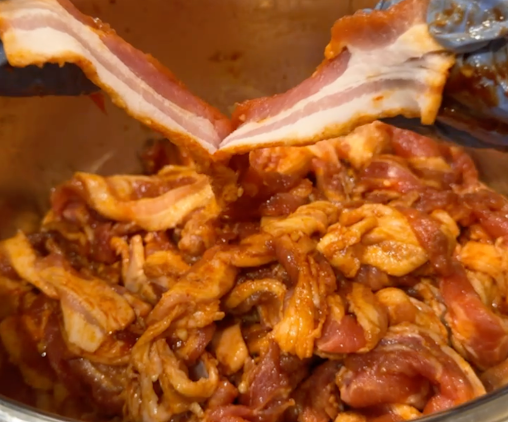
If you have more time, you can marinate for up to a few hours in the refrigerator. The flavor gets deeper and the gochujang really sinks in. But honestly, even 30 minutes gives you genuinely good results because the cuts are so thin. I have made this in a pinch with a 20-minute marinade and it was still delicious. The Costco shabu-shabu cut is very forgiving.
A note on sweetener: I use Allulose because it caramelizes beautifully, does not have an aftertaste, and fits better into how I eat. Regular sugar works perfectly fine if that is what you have. Brown sugar also works and adds a slightly deeper, more molasses-forward flavor. The key is having something sweet to balance the gochujang heat and the soy sauce saltiness.
3. The Sizzle
Heat your pan over medium-high heat. You don't need to add extra oil: the pork belly will release its own natural fats as it renders. However, if you are using a leaner cut of meat, you can add a little bit of sesame oil or vegetable oil to the pan.
The pan temperature matters more than people give it credit for. You want it hot enough that the meat sears immediately when it hits the surface rather than steaming and stewing. A cold or barely warm pan means the marinade pools and the meat takes longer to brown. You want to hear a real sizzle the second the pork touches the pan. That sound means you are doing it right.
4. Add the Secret Ingredient
Toss in your sliced onions. As they cook, they release moisture which mingles with the sauce to make the pork incredibly juicy. This is the key to preventing thin meat from drying out. If the meat doesn't feel spicy enough or feels like it's missing a bit of "oomph," add 1 tablespoon of chili pepper (Gochugaru) to enhance the flavor.
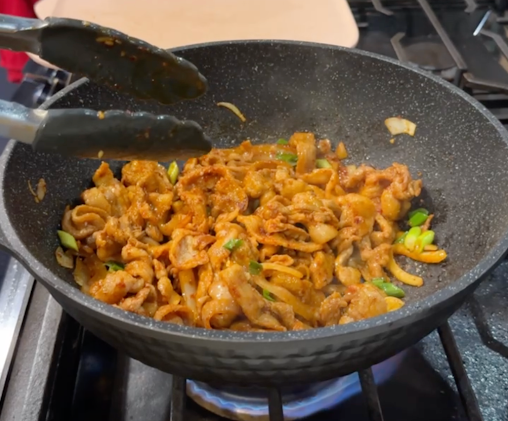
The onions do two things here: they add sweetness as they caramelize, and they create steam that keeps the meat from getting too dry. This is a technique used in a lot of Korean home cooking, and it is one of those small details that separates a good stir-fry from a great one. Do not skip the onions even if you are not a huge onion fan. They will cook down significantly and blend into the sauce.
5. Final Touch
Once the meat is fully cooked and slightly caramelized, top it with toasted sesame seeds.
The Experience 💭
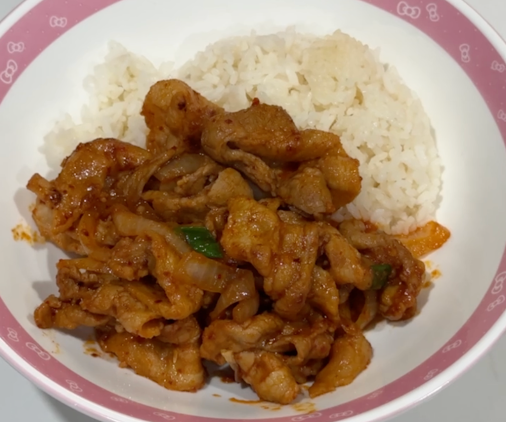
The beauty of using the Costco shabu-shabu pork for Korean Spicy Pork Bulgogi is the texture. It's thin enough to get those crispy, caramelized edges while staying tender in the middle.
It's sweet, spicy, and savory. The gochujang gives it that deep, slightly smoky heat that builds as you eat, and the sesame oil at the end rounds everything out with a nutty finish. This is the kind of dish where you keep taking one more bite even when you are already full, because the flavor combination is just that satisfying.
How to serve it: My favorite way is over a hot bowl of steamed white rice. The sauce from the pork soaks into the rice and every single bite is perfect. I also love wrapping it in perilla leaves (깻잎) with a little rice, which adds this fresh, slightly minty contrast to the spicy pork. If you have never eaten Korean food this way, it is a game changer.
Make it a meal: For a more complete Korean home-style spread, serve alongside a bowl of kimchi, a simple doenjang jjigae (soybean paste stew) if you have the time, or even just some steamed broccoli to balance out the richness. The Jongga kimchi linked above pairs with this perfectly and requires zero effort.
Leftovers: This reheats beautifully. I store it in an airtight container in the fridge for up to three days. It actually tastes even better the next day after the flavors have had time to settle. Throw it in a pan with a tiny bit of sesame oil, heat it through, and it is almost indistinguishable from freshly made.
Tips & Variations
- For less spice: Reduce the gochujang to half a tablespoon and skip the gochugaru. The flavor will still be rich and savory without the heat.
- For more depth: Add a teaspoon of doenjang (Korean fermented soybean paste) to the marinade. It adds a funkiness that makes the whole thing taste more complex.
- No Costco nearby? Any thinly sliced pork belly works. Some Asian grocery stores carry pre-sliced pork belly labeled "hot pot pork" or "shabu pork." The thinner the better.
- Meal prep version: Double the batch and freeze half the marinated raw meat in a zip-lock bag. Pull it out the night before, let it thaw in the fridge, and cook the next day. Future you will be very grateful.
Don't forget to subscribe to my YouTube channel so you don't miss my future recipe hacks!